


โ— BREAKING
Suv tarmoqlarida raqamli nazorat: nosozliklarni oldindan aniqlash imkoniyati
Texnologiya

Digital Control in Water Networks: The Opportunity to Predict Faults

Efficiency in the water supply system is not determined solely by laying new pipes or constructing facilities. Rational management of existing infrastructure, timely detection of faults in networks, and prevention of water losses are also of vital importance. It is no coincidence that today the world is paying increased attention to managing water resources based on digital technologies. To study international best practices and introduce advanced solutions into local practice, specialists from Uzbeksuvtaminot JSC participated in a training and practical seminar held in Bangalore, India. Organized in cooperation with the American company Nobel Systems, the event focused on modern technologies aimed at digital management of the water supply system, reducing water losses, early detection of faults in pipeline networks, and improving the activities of emergency services. During the seminar, special attention was paid to India's experience, the capabilities of artificial intelligence, and issues of their application in the water supply sector. In particular, participants discussed the possibilities of regular monitoring of water network conditions using digital management tools, preliminary identification of potential problems, and prompt response to them. Notably, cooperation in this direction is not limited to theoretical knowledge. For instance, Jizzakh Water Supply JSC, together with Nobel Systems, is working on monitoring water networks, detecting leaks, and digitalizing the activities of emergency dispatch services through GIS and Work Order systems, as well as the GeoViewer program. As a practical stage of this cooperation, company representatives visited the Jizzakh region a month ago. During the visit, special equipment designed to measure water pressure and early detect potential emergency situations was installed in a test mode on the central drinking water pipes in the city of Jizzakh. Currently, testing work related to these devices continues. The importance of such technologies lies in the fact that they help assess the condition of water supply networks based on accurate data, quickly identify faults, and purposefully organize repair work. As a result, industry specialists gain the opportunity to use available resources more efficiently, reduce water losses, and improve the quality of services provided to consumers.

Texnologiya

US plans to create a giant computing network in space

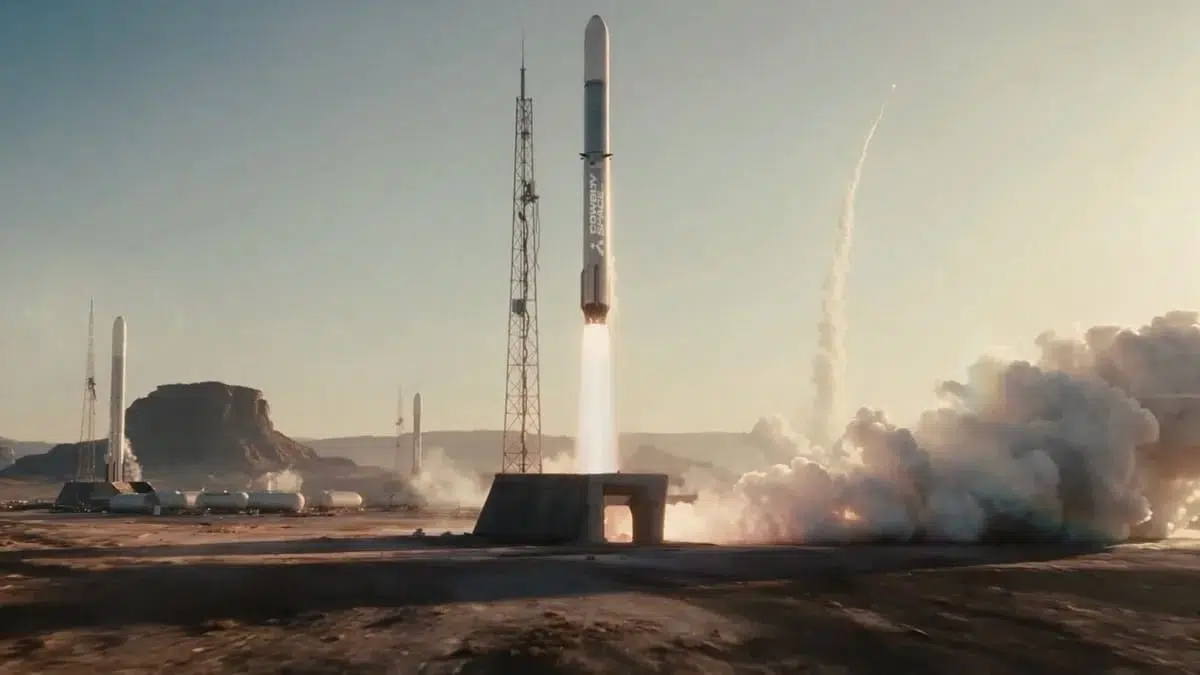
American company Cowboy Space has introduced the Big Iron rocket project, which will serve as a data center for artificial intelligence once its upper stage reaches orbit. The company intends to deploy 20,000 computing centers to low Earth orbit using this method. Cowboy Space, based in California, was founded by Baiju Bhatt, co-founder of the Robinhood platform. The company plans to independently develop both space data centers and the rockets to launch them into orbit. Bhatt announced at the Big Sky Rising event that the new rocket is named Big Iron. The data center operating in orbit will bear the same name, as the company designed the rocket and satellite as a single system. According to the main concept, after reaching orbit, the upper stage of the rocket continues to function as an artificial satellite equipped with computing hardware. The company emphasizes that this approach helps reduce redundant parts and mass in the structure. According to the project, the rocket, made of stainless steel, will be 86 meters high and 4.7 meters in diameter. It will be equipped with Clydesdale engines developed by Cowboy Space. It is planned to install nine engines on the first stage and one on the second stage. A similar scheme regarding the number of engines is used in SpaceX's Falcon 9 rocket. The first stage of Big Iron is designed for reuse. Computer animation shown during the presentation depicted its return to Earth and landing on an offshore platform. The upper stage of the rocket remains in orbit and turns into the Big Iron satellite. According to the presented data, the mass of the apparatus will be about 15 tons, and its length after the solar panels deploy will reach 132 meters.

Texnologiya

Turkey is building a giant aircraft carrier for planes and naval drones

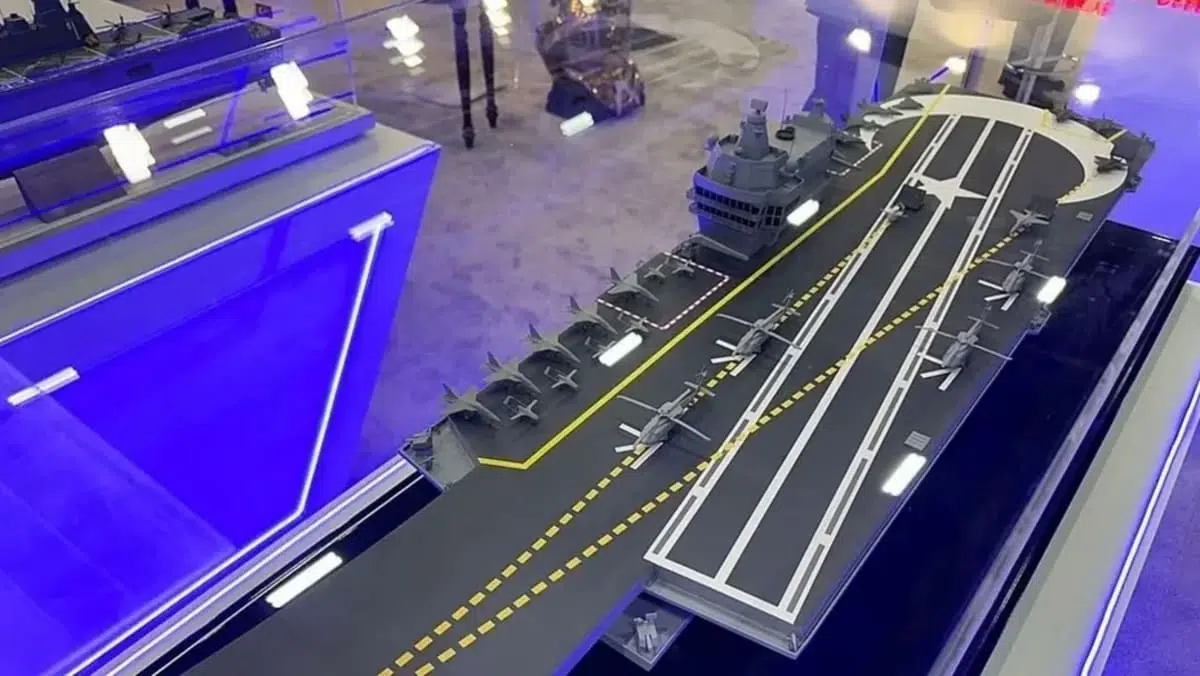
Turkey is constructing the 60,000-ton MUGEM aircraft carrier, which is planned to carry aircraft along with unmanned aerial vehicles, unmanned surface vessels, and underwater drones. According to the Commander of the country's Naval Forces, Erjument Tatlioglu, it will be the world's first aircraft carrier to combine three types of unmanned and uncrewed systems. Construction of MUGEM has been underway at the Istanbul Naval Shipyard since January 2025. Its launching is initially scheduled for September 2027, while delivery to the fleet and commissioning are expected in 2032. The acronym MUGEM comes from the Turkish Milli Uรงak Gemisi, meaning national aircraft carrier. The ship is being created as an independent design and is not a modified variant of the existing TCG Anadolu universal landing ship. According to the project, the aircraft carrier will have a length of 285 meters, a beam of 72 meters, and a draft of 10.1 meters. The total displacement will be approximately 60,000 tons, which is about 2.2 times larger than the TCG Anadolu. The ship's maximum speed is expected to exceed 48 kilometers per hour, with a cruising range of up to 18,500 kilometers. Up to 2,500 people can be accommodated on board, including the core crew, pilots, technical specialists, and service personnel. The aircraft carrier will be capable of carrying more than 50 various flying devices. Its air wing is expected to be based on Turkey's Hรผrjet training and combat aircraft, a carrier-capable version of which is currently under development. It is also planned to utilize the Kฤฑzฤฑlelma jet-powered combat drone, the Anka-3 unmanned aerial vehicle, and the Bayraktar TB3 drone. Reports have circulated that Turkey might also develop a version of the Kaan fighter jet capable of taking off from and landing on the carrier, though these reports remain unconfirmed. The ship's propulsion plant is designed to consist of four GE LM2500 gas turbines, each with a capacity of approximately 23 megawatts. Electric propulsion elements are also provided for efficient energy management at low speeds.

๐Ÿ”ฅ Trending news

Latest news

searchTV.uz
Suv tarmoqlarida raqamli nazorat: nosozliklarni oldindan aniqlash imkoniyati
Texnologiya ๐Ÿ‘ 20 ๐Ÿ“… 04.11.2026

Digital Control in Water Networks: The Opportunity to Predict Faults

Efficiency in the water supply system is not determined solely by laying new pipes or constructing facilities. Rational management of existing infrastructure, timely detection of faults in networks, and prevention of water losses are also of vital importance. It is no coincidence that today the world is paying increased attention to managing water resources based on digital technologies. To study international best practices and introduce advanced solutions into local practice, specialists from Uzbeksuvtaminot JSC participated in a training and practical seminar held in Bangalore, India. Organized in cooperation with the American company Nobel Systems, the event focused on modern technologies aimed at digital management of the water supply system, reducing water losses, early detection of faults in pipeline networks, and improving the activities of emergency services. During the seminar, special attention was paid to India's experience, the capabilities of artificial intelligence, and issues of their application in the water supply sector. In particular, participants discussed the possibilities of regular monitoring of water network conditions using digital management tools, preliminary identification of potential problems, and prompt response to them. Notably, cooperation in this direction is not limited to theoretical knowledge. For instance, Jizzakh Water Supply JSC, together with Nobel Systems, is working on monitoring water networks, detecting leaks, and digitalizing the activities of emergency dispatch services through GIS and Work Order systems, as well as the GeoViewer program. As a practical stage of this cooperation, company representatives visited the Jizzakh region a month ago. During the visit, special equipment designed to measure water pressure and early detect potential emergency situations was installed in a test mode on the central drinking water pipes in the city of Jizzakh. Currently, testing work related to these devices continues. The importance of such technologies lies in the fact that they help assess the condition of water supply networks based on accurate data, quickly identify faults, and purposefully organize repair work. As a result, industry specialists gain the opportunity to use available resources more efficiently, reduce water losses, and improve the quality of services provided to consumers.

Read more โ†’
AQSh kosmosda ulkan hisoblash tarmogini yaratmoqchi
Texnologiya ๐Ÿ‘ 21 ๐Ÿ“… 01.11.2026

US plans to create a giant computing network in space

American company Cowboy Space has introduced the Big Iron rocket project, which will serve as a data center for artificial intelligence once its upper stage reaches orbit. The company intends to deploy 20,000 computing centers to low Earth orbit using this method. Cowboy Space, based in California, was founded by Baiju Bhatt, co-founder of the Robinhood platform. The company plans to independently develop both space data centers and the rockets to launch them into orbit. Bhatt announced at the Big Sky Rising event that the new rocket is named Big Iron. The data center operating in orbit will bear the same name, as the company designed the rocket and satellite as a single system. According to the main concept, after reaching orbit, the upper stage of the rocket continues to function as an artificial satellite equipped with computing hardware. The company emphasizes that this approach helps reduce redundant parts and mass in the structure. According to the project, the rocket, made of stainless steel, will be 86 meters high and 4.7 meters in diameter. It will be equipped with Clydesdale engines developed by Cowboy Space. It is planned to install nine engines on the first stage and one on the second stage. A similar scheme regarding the number of engines is used in SpaceX's Falcon 9 rocket. The first stage of Big Iron is designed for reuse. Computer animation shown during the presentation depicted its return to Earth and landing on an offshore platform. The upper stage of the rocket remains in orbit and turns into the Big Iron satellite. According to the presented data, the mass of the apparatus will be about 15 tons, and its length after the solar panels deploy will reach 132 meters.

Read more โ†’
Turkiya samolyotlar va dengiz dronlari uchun ulkan aviatashuvchi qurmoqda
Texnologiya ๐Ÿ‘ 31 ๐Ÿ“… 27.10.2026

Turkey is building a giant aircraft carrier for planes and naval drones

Turkey is constructing the 60,000-ton MUGEM aircraft carrier, which is planned to carry aircraft along with unmanned aerial vehicles, unmanned surface vessels, and underwater drones. According to the Commander of the country's Naval Forces, Erjument Tatlioglu, it will be the world's first aircraft carrier to combine three types of unmanned and uncrewed systems. Construction of MUGEM has been underway at the Istanbul Naval Shipyard since January 2025. Its launching is initially scheduled for September 2027, while delivery to the fleet and commissioning are expected in 2032. The acronym MUGEM comes from the Turkish Milli Uรงak Gemisi, meaning national aircraft carrier. The ship is being created as an independent design and is not a modified variant of the existing TCG Anadolu universal landing ship. According to the project, the aircraft carrier will have a length of 285 meters, a beam of 72 meters, and a draft of 10.1 meters. The total displacement will be approximately 60,000 tons, which is about 2.2 times larger than the TCG Anadolu. The ship's maximum speed is expected to exceed 48 kilometers per hour, with a cruising range of up to 18,500 kilometers. Up to 2,500 people can be accommodated on board, including the core crew, pilots, technical specialists, and service personnel. The aircraft carrier will be capable of carrying more than 50 various flying devices. Its air wing is expected to be based on Turkey's Hรผrjet training and combat aircraft, a carrier-capable version of which is currently under development. It is also planned to utilize the Kฤฑzฤฑlelma jet-powered combat drone, the Anka-3 unmanned aerial vehicle, and the Bayraktar TB3 drone. Reports have circulated that Turkey might also develop a version of the Kaan fighter jet capable of taking off from and landing on the carrier, though these reports remain unconfirmed. The ship's propulsion plant is designed to consist of four GE LM2500 gas turbines, each with a capacity of approximately 23 megawatts. Electric propulsion elements are also provided for efficient energy management at low speeds.

Read more โ†’
Xitoy suvosti dronlari uchun ikkita suvofiy baza quryaptimi?
Texnologiya ๐Ÿ‘ 30 ๐Ÿ“… 20.10.2026

Is China building two floating bases for underwater drones?

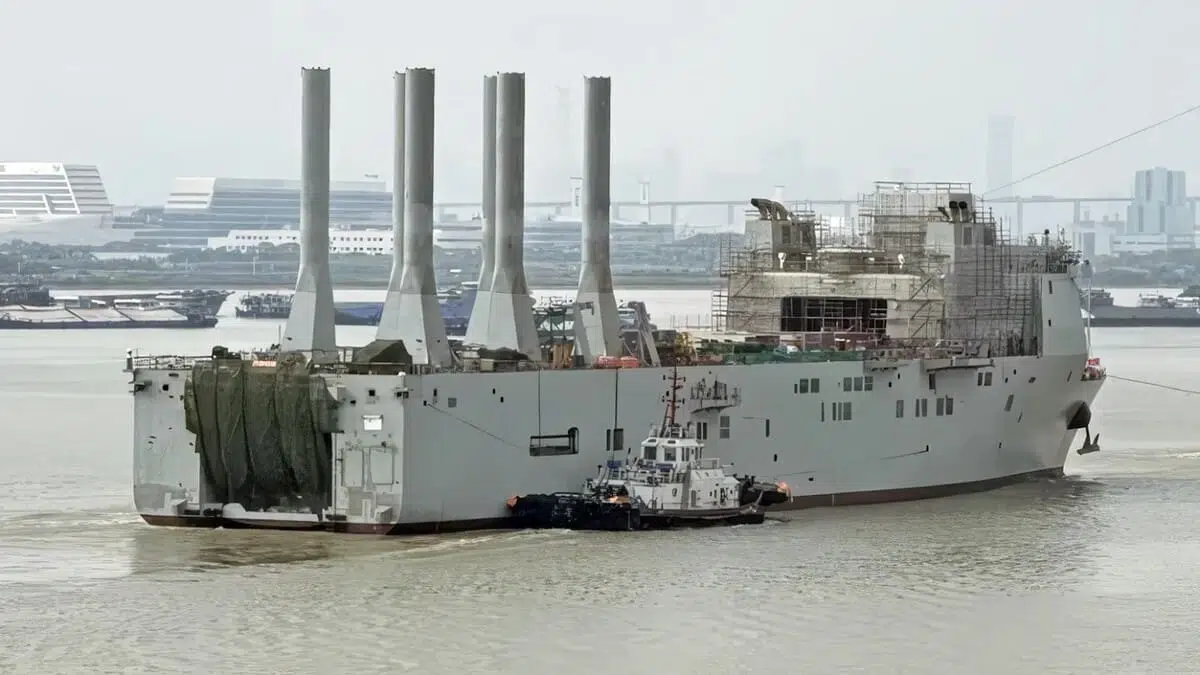
A new vessel, presumed to be designed for transporting and servicing large underwater drones, has been photographed in Guangzhou, China. It resembles a ship previously spotted in Shanghai. The new photos indicate that at least two ships with such functions may be under construction in the country. According to The War Zone, about a month ago, reports emerged that the construction of an unusual ship at the Changxingdao Island shipyard in Shanghai was nearing completion. Its structure may be adapted for deploying, launching, and servicing underwater unmanned vehicles. The new image taken in Guangzhou shows a ship very similar in general appearance to the Shanghai one, but smaller. According to preliminary estimates, it is about a third smaller than the previous one. There are also some differences in the hull shape. Six lifting towers are visible on the new vessel. The larger ship in Shanghai has six large and six small structures. In both designs, a flight deck and hangar are located behind the forward superstructure, and the position of the funnels is also similar. For now, these ships are primarily assessed as experimental platforms. Open data on their exact tasks and capabilities is limited. Such ships could make it possible to transport large underwater drones to areas far from China's coast, launch them, recover them, and perform maintenance. This facilitates the use of vehicles capable of long-term independent patrol. Long-range underwater drones can perform tasks such as seafloor mapping, mine hunting, and detecting submarines and surface targets. In the future, the possibility of using such devices to launch cruise missiles or other drones is also being discussed. However, the presence of these capabilities specifically on the photographed ships or the devices they carry has not been confirmed. The material notes that the expansion of such a fleet could increase China's capabilities for conducting operations in remote areas of the Pacific Ocean. Speculation about a potential threat to US facilities is currently only an assessment of the future application of these technologies.

Read more โ†’
Teslaโ€™dan uchar mashina taqdimoti: Roadster sport qanday model?
Texnologiya ๐Ÿ‘ 33 ๐Ÿ“… 16.10.2026

Tesla Unveils Flying Car: What is the Roadster Sport?

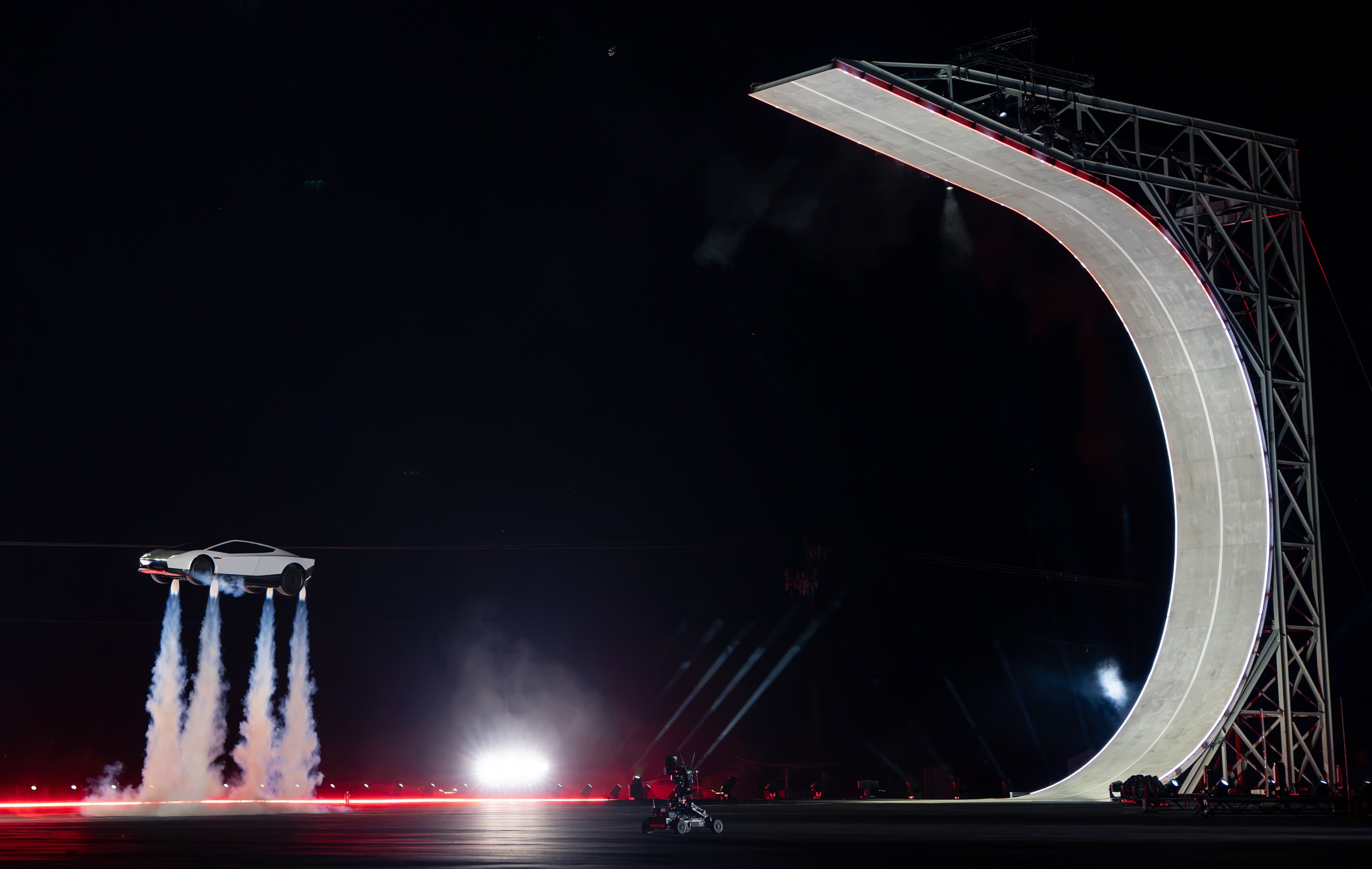
American company Tesla has officially unveiled the second-generation Roadster electric sports car after nearly nine years of delay. The event took place on October 15 at the SpaceX rocket test site in Texas. Rather than a traditional car reveal, the event resembled a stunt show. The white two-seater car drove up a large curved ramp and, using suction fans under the body, flipped completely upside down while clinging to the surface. Then, using installed cold gas thrusters, the vehicle detached from the ramp, flipped in the air, and landed successfully. In a subsequent demonstration, it jumped over a line of Tesla vehicles and a Semi truck. For safety reasons, the car moved autonomously without a driver during the demonstrations. Tesla and SpaceX CEO Elon Musk noted during the presentation that flying cars are indeed part of the future. According to the company, the Roadster will be released in three versions. The base two-seater Performance version features active aerodynamics and a suction system, accelerating to 97 km/h in less than 1.6 seconds. In the Thrust version with added rear thrusters, this figure drops to 0.9 seconds. Additionally, the single-seat Rocket version is capable of lifting off the ground using auxiliary thrusters. All versions promise a driving range of over 480 kilometers and a top speed exceeding 370 km/h. At the presentation event, the car was demonstrated reaching 97 km/h in 0.81 seconds.

Read more โ†’
Uchuvchi o'rniga suniy intellekt: Hindiston uchuvchisiz jangovar aviatsiya poygasiga qo'shildi
Texnologiya ๐Ÿ‘ 31 ๐Ÿ“… 16.10.2026

AI Instead of a Pilot: India Joins the Unmanned Combat Aviation Race

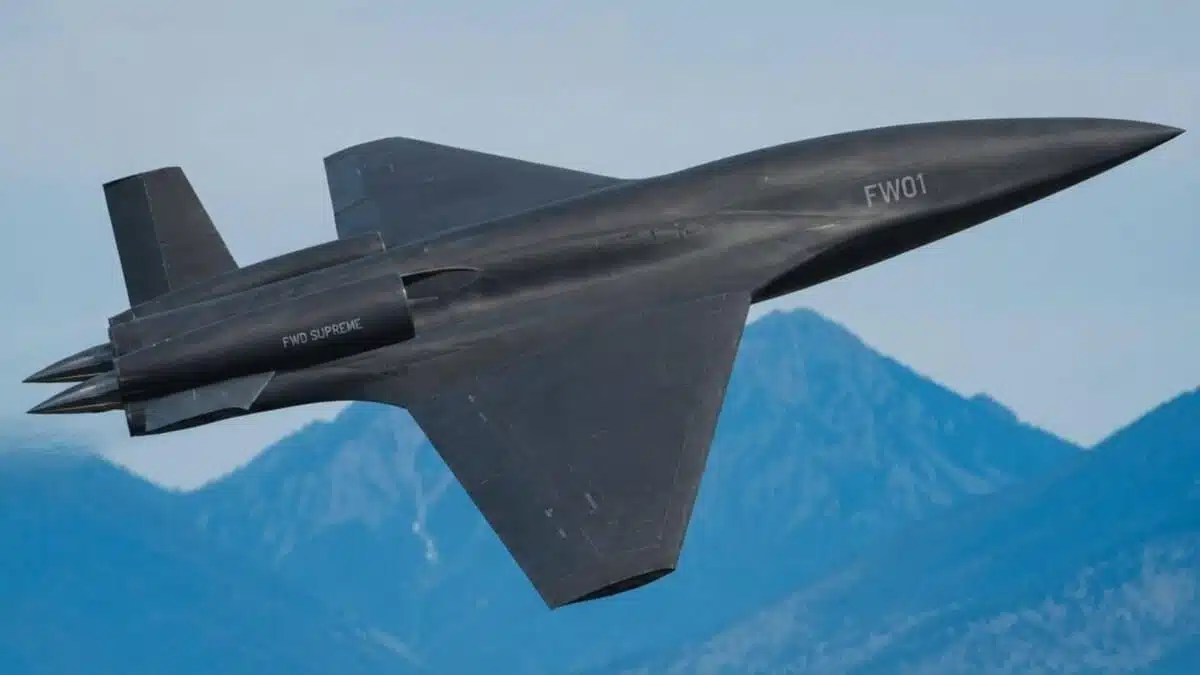
The Indian company Flying Wedge Defence & Aerospace has showcased a full-scale ground prototype of the FWD Supreme combat aircraft, designed to be controlled by artificial intelligence. The manufacturer presents this development as the country's first of its kind. Experts note that this step could elevate India's potential in the field of military technology to a new level. According to The Times of India, the new apparatus is capable of independent flight, route planning, and executing complex tactical maneuvers. The company plans to use this unmanned aerial vehicle for reconnaissance, surveillance, strikes, and joint operations with other military aircraft. According to technical specifications, the FWD Supreme Heavy belongs to the category of aircraft weighing about one ton. Based on data released by the manufacturer, its cruising speed ranges from 500 to 600 kilometers per hour. In addition, the flight duration of the apparatus is two hours, and its payload capacity is expected to reach approximately 350 kilograms. According to the company, the flight range of the aircraft is intended to exceed 1,500 kilometers. However, it should be noted that these figures are currently based solely on the manufacturer's statements and have not yet been verified by independent sources. At the presentation, only the ground prototype was demonstrated, and the results of actual flight tests have not yet been published. Nevertheless, according to FWDA, this platform has been entirely developed in India and will be manufactured within the country. The main goal of the project's creators is to make modern combat aviation significantly more affordable through their own technologies, advanced artificial intelligence systems, and increased production scale. This will help strengthen India's self-reliance in the defense industry.

Read more โ†’
Kosmosdan okeanga, okeandan Texasga: Starship qariyb uch oyda uyiga qaytdi
Texnologiya ๐Ÿ‘ 30 ๐Ÿ“… 16.10.2026

From space to ocean, from ocean to Texas: Starship returns home after nearly three months

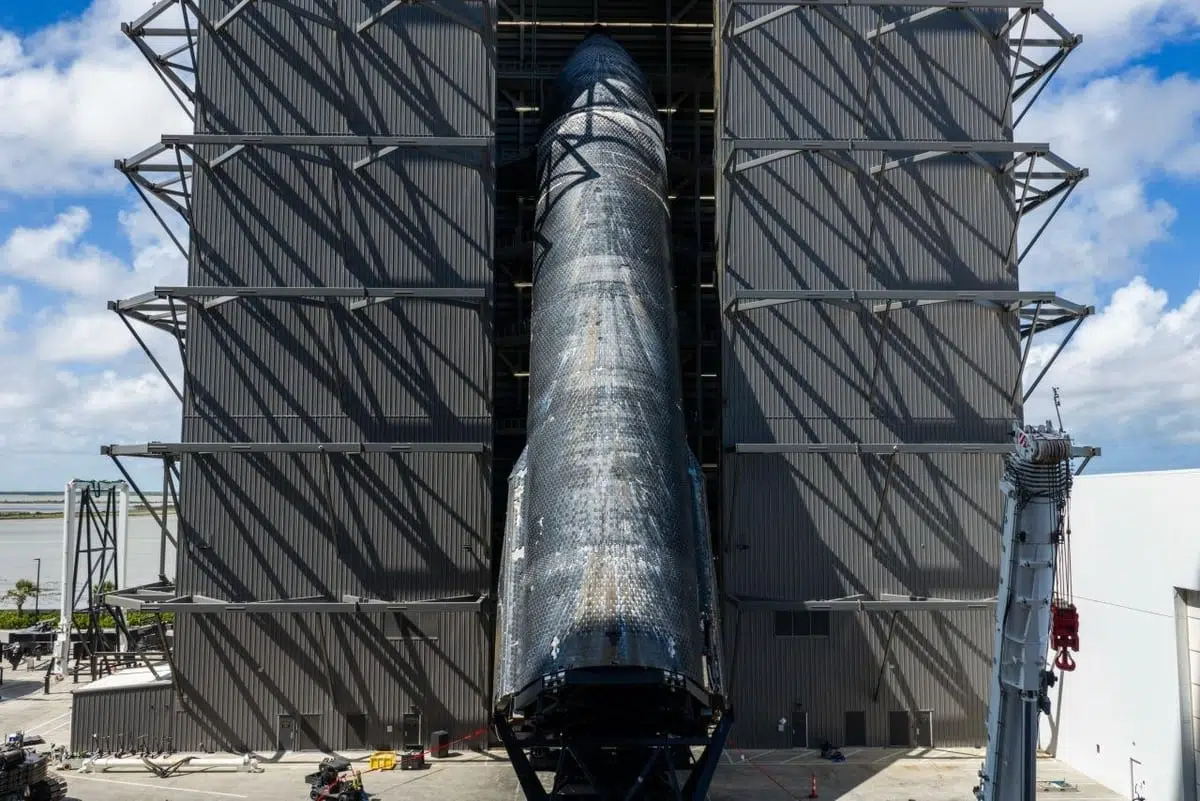
SpaceX's Ship 40 has been successfully returned to the Starbase spaceport in Texas following a suborbital flight and a long ocean journey. This is the first Starship vehicle to be brought back to base after flight, giving engineers a direct opportunity to study the structure that endured heavy loads during atmospheric reentry. SpaceX has now published new photos of Ship 40. The vehicle is currently installed in a vertical position inside the Megabay hangar, with three other new Starship vessels preparing for flight stationed next to it. Recall that Ship 40 flew on July 24 as part of the 13th test flight of the rocket system. This suborbital flight ended with a controlled landing in the Indian Ocean. A large part of the vehicle's structure remained intact, and it stayed afloat on the water surface. Following this, SpaceX organized a complex operation to return the vessel to base. The 52-meter-long ship was towed in rough seas for 24 days. The travel conditions were so difficult that even Elon Musk expressed doubt about the operation's successful completion. In August, Ship 40 was delivered near an Australian-owned island. In the calmer waters there, engineers inspected the vehicle and took samples of the thermal protection coating from its lower part. Afterwards, Starship was loaded onto the large semi-submersible transport ship Forte. The vessel arrived at the Port of Brownsville in Texas on October 7, and Ship 40 was transported by land to the Starbase complex and placed into the hangar. Engineers now intend to thoroughly inspect the vessel to learn how the flight and atmospheric reentry affected its structure and thermal protection coating. The data obtained will be used to further improve the Starship system.

Read more โ†’
Aerodromsiz uchadi va 10 soatdan ortiq havoda qoladi: AQShda yangi harbiy dron taqdim etildi
Texnologiya ๐Ÿ‘ 35 ๐Ÿ“… 15.10.2026

Flies without an aerodrome and stays in the air for over 10 hours: New military drone presented in the USA

The American company Ideal Aerosmith has presented a new military drone called Troublemaker, designed for reconnaissance, surveillance, and one-way strike missions. According to the manufacturer, this unmanned aerial vehicle is capable of staying in the air continuously for more than 10 hours. Furthermore, it can cover a distance of over 1,380 kilometers and carry a payload of up to 14 kilograms. According to Breaking Defense, this medium-range drone is engineered for deployment without traditional airfields or advanced ground infrastructure. The device is launched using a catapult or a mobile unit mounted on a truck. For landing, instead of a conventional runway, a special support structure is utilized. The tasks assigned to the Troublemaker include conducting reconnaissance, gathering intelligence, acting as a decoy target to confuse adversary systems, and delivering precision strikes. If the mission does not end with the destruction of the aircraft, it can be recovered and reused. The company highlights this operational flexibility as one of the key features of the project. Reusability can potentially reduce overall costs, though actual savings will depend on the drone's unit price, refurbishment expenses, and repeat flight conditions. Ideal Aerosmith stated that the Troublemaker can also be deployed as part of a drone swarm. However, technical details regarding the level of autonomy, inter-device communication systems, and control stability under GPS-denied or electronic warfare jamming conditions have not been disclosed. Small-scale serial production has currently been established. According to the company, a total of 26 Troublemaker drones have been manufactured so far. The current production rate is approximately two drones per week. The manufacturer noted that if demand increases, this figure could be scaled up to 20 units per week utilizing existing infrastructure, though this represents potential production capacity rather than confirmed orders.

Read more โ†’
Ilon Mask Starshield boyicha yakuniy qaror AQSH prezidentiga bogโ€˜liqligini bildirdi
Texnologiya ๐Ÿ‘ 24 ๐Ÿ“… 15.10.2026

Elon Musk stated that the final decision on Starshield depends onู„ูŠุณ the US President

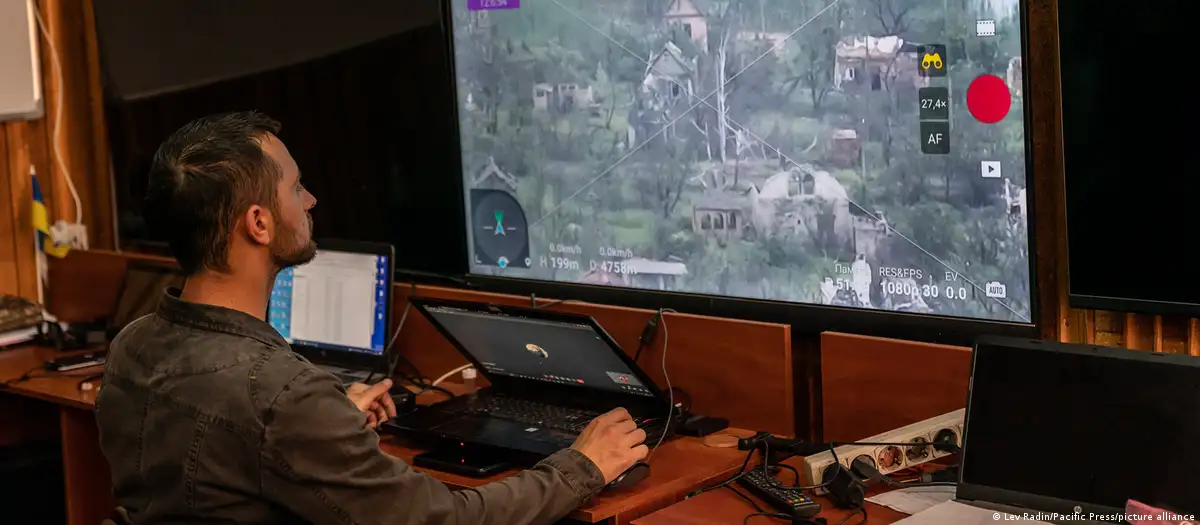
Elon Musk stated that speed and usage restrictions on the Starshield satellite system used by Ukraine are set by the US military, not SpaceX. According to him, the final decision regarding the system falls under the authority of the US President. This statement came amid reports of disruptions in satellite communications for Ukrainian drones. According to DW, Musk stated on October 14 that Starshield systems belong to the US government and are under its control. At the same time, he emphasized that Starlink is a commercial service of SpaceX, which can be used for civil or defensive purposes, but not for offensive military operations. Musk's statement was a response to a comment by former Ukrainian Defense Minister Mykhailo Fedorov about the gradual restoration of communication between drones and the Starlink network. Previously, Ukrainian military and officials stated that SpaceX had restricted the operation of Starlink terminals used on the front lines without warning. According to Serhii Sternenko, a former adviser to Fedorov, on the night of October 14, when a drone reached a speed of 60-70 kilometers per hour, Starlink internet stopped working. Previously, this limit was 160 kilometers per hour. According to his data, the restrictions primarily applied to the Starshield network. Ukrainian President Volodymyr Zelenskyy has repeatedly emphasized that the successful operation of interceptor drones destroying Russian drones largely depends on Starlink communications. Since the beginning of Russia's full-scale invasion of Ukraine, this satellite internet has become one of the primary communication and control tools for the Ukrainian army on the front lines. Restrictions on Starshield's operation coincide with tensions in relations between Kyiv and the US administration. Earlier, Donald Trump criticized Ukraine for continuing to strike oil refineries in Russia despite White House requests. He also called for holding new presidential elections in Ukraine.

Read more โ†’
Xitoyda atom energiyasini uzatuvchi ulkan elektr tarmog i ishga tushdi
Texnologiya ๐Ÿ‘ 29 ๐Ÿ“… 14.10.2026

China launches massive power grid for transmitting nuclear energy

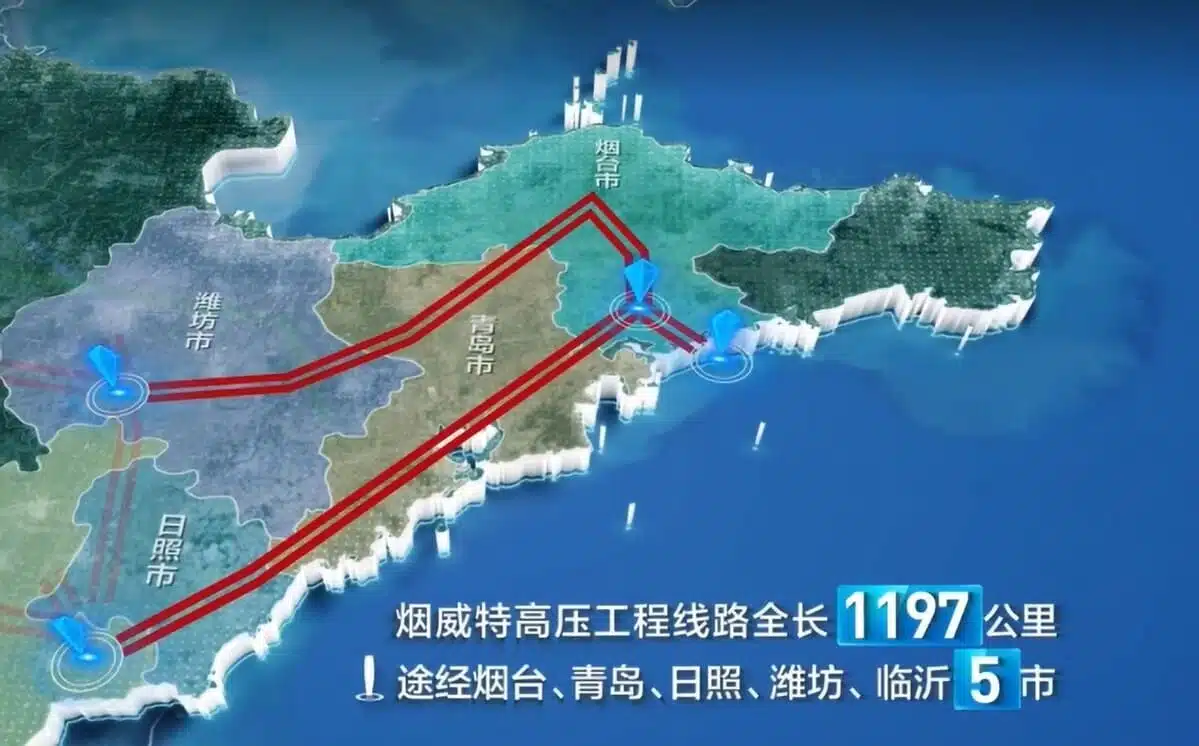
The Yantai-Weihai UHV AC power transmission line has been fully put into operation in China. According to the State Grid Corporation of China, this is the first grid of its kind in the world connected to energy generated by nuclear power plants. According to Naked Science, the new line is designed to transmit electricity generated in the Yantai and Weihai areas of Shandong Province to other regions. The equivalent length of the line in a single circuit is 1,197 kilometers, passing through cities such as Qingdao, Rizhao, Weifang, and Linyi. As part of the project, a new 1,000 kV distribution substation was built and two existing substations of the same class were expanded. A total of 2,124 transmission towers were installed, with 822 located in hilly and mountainous areas and 17 in marine areas. Shandong is one of China's highest energy-consuming provinces. By the end of September 2026, the installed capacity of non-fossil fuel energy facilities reached 147 million kilowatts. Wind and solar energy accounted for more than half of the province's total installed power generation capacity. The Yantai-Weihai peninsula concentrates a large part of Shandong's nuclear power industry. The region is transforming from a net power importer into a major hub supplying electricity to other areas. The new line connects to the existing network, forming a figure-eight shaped dual-ring system. This is the first regional UHV network with such a structure in China. The rings can serve as backups for each other, enhancing transmission capacity and system stability during faults. The project is also notable as the first UHV line built simultaneously across mountainous terrain and marine areas. The active construction period lasted 12 months, marking the shortest timeframe for AC transmission projects of this scale in the country. The Haiyangxi distribution substation was built on the principle of "two stations in one site," with plans to organize 12 outgoing 1,000 kV lines in the future.

Read more โ†’